2018年8月30日星期四

Restart of Measles Vaccination can Prevent an Outbreak

"/

Physician Andrew Wakefield reported in 1998 that the measles vaccine leads to autism. Even though his research was discredited, the damage was done and there came a fall in measles vaccinations due to which the prevalence of measles increased.
In the first half of 2018, there was a major increase in the prevalence of measles in Europe, where 41000 people were affected followed by 37 deaths. The U.S. Centers for Disease Control and Prevention (CDC) announced that more than 100 people were affected with measles in Columbia in the USA along with 21 other states.
Due to this drastic rise, parents are becoming more concerned about the risks this poses to their school going children. Dr. Michael Brady, an infectious disease expert from Nationwide Children’s Hospital claims that the MMR vaccine will effectively prevent another outbreak. By reducing the cost, it is mandatory to enforce vaccination.
Dr. Michael Brady said, “One of the issues that’s problematic is that we have large numbers of children in the United States who are immunocompromised for a number of different reasons. They’re getting treated for their cancer. They have an HIV infection or they’re born with a problem in their immune system. These children can’t receive the vaccine, and so if they’re exposed to a child who has measles, they can get very, very severe disease and, not infrequently, die.”

from Drugdu  https://goo.gl/QgQoHk

2018年8月28日星期二

Debunking Myths about Vaccines and Autism

"/

To understand the relation between vaccines and autism, one must understand what Autism Spectrum Disorder is.  Autism Spectrum Disorder (ASD) is a disability encountered by children and young adults during their developmental stages. It results from discrepancies in the functions of the brain.
The communication, interaction, behavior and learning of an autistic person are affected. There are differences in the above functions among autistic people as well. The CDC’s Autism and Developmental Disabilities Monitoring Network data shows that nearly one in 68 children have ASD in all groups and ethnicities in the United States.
Concerns have been raised in the past over the association between ASD and vaccines that are given to children. These queries have engendered from a 1998 paper published in the Lancet by Dr. Andrew Wakefield and his colleagues, which examined 12 children referred to the Royal Free Hospital and School of Medicine who had been long suffering from enterocolitis and regressive developmental disorder. The authors noted that the parents of 8 out of 12 children linked their hampering of acquired skills, like language, to the MMR vaccination. The study concluded that “likely environmental causes” (i.e. the vaccine) were linked to the occurrence of the gastrointestinal illness and the regression in development.
12 years later, the Lancet withdrew the paper from its journal after it was proven that “several elements” from the paper “are incorrect, contrary to the findings of an earlier investigation.”
Several later studies proved that these claims are false and the study had numerous flaws. Moreover, a 2011 study by the Institute of Medicine (IOM) showed that eight vaccines administered to children and adults were found to be harmless, excluding rare exceptions.
A study conducted by the CDC in 2013 complemented the above research proving that ASD is not linked with vaccines. The focus of this study was on the antigen count in the vaccines given to children up to two years of age. It was found that the end count of antigen in children having ASD and those devoid of ASD remained the same whether they were immunized or not.
Several allegations linking vaccines to autism have also been based on the presence of a much-studied ingredient, thimerosal. Thimerosal is a preservative made from mercury which is specially combined to avert adulteration of multiple dose vaccine ampoules. However, umpteen studies have concluded that ASD is not a resultant of thimerosal use in vaccines.
The IOM conducted a thorough review in 2004 which revealed that “the evidence favors rejection of a causal relationship between thimerosal-containing vaccines and autism.”
The CDC has either funded or conducted nine research studies since 2003, which have failed to find any connection among vaccines that have thimerosal and ASD, and also no association of the measles, mumps, and rubella (MMR) vaccine with ASD in immunized kids.
In a bid to limit the contact of the country’s children with any kind and all amounts of mercury, from the period spanning 1999 to 2001, all vaccines meant for children, apart from few flu vaccines, were not added with thimerosal or its amount in the vaccines was largely reduced. This exercise was conducted, with a preventive motive, before the safety of thimerosal was proved.
Following are few synopses of studies related to thimerosal conducted or funded by the CDC:
A study evaluating the relation between brain function, behavior, language, coordination and thimerosal: It assessed children who were exposed to thimerosal early after birth and the neuropsychological effects were observed after 7-10 years. It concluded that there are no links between thimerosal and intellectual capabilities, speech and memory, fine motor skills. The study found no associations with thimerosal and general intellectual functioning, verbal memory, fine motor coordination, decision-making, working, conduct regulation and language. However, an insignificant link was observed between thimerosal exposure early in life and occurrence of tics in boys but not in girls.
Contact with Thimerosal in the womb and in infancy: This research studied exposure to Thimerosal during gestation and in infant life via vaccines and immunoglobulins and risk of Autism. Children having autism were compared with those not having it, and the exposure of the child in the womb and also in infancy to thimerosal via vaccines was observed. The study findings revealed no variations in exposure to thimerosal among children having and devoid of Autism.
Neuropsychological Performance 10 Years After Immunization in Infancy With Thimerosal-Containing Vaccines: This was a follow-up study conducted in Italy which was funded by the CDC which contrasted neuropsychological results in children grouped randomly to be administered either diphtheria-tetanusacellular pertussis vaccine (DTaP) containing thimerosal or DTaP containing 2-phenoxyethanol up to one year of age. Both the divisions were tested for 24 neuropsychological outcomes ten years post the vaccination. Findings concluded thimerosal to be harmless to children.
Long-term results of thimerosal exposure in US, UK, and Denmark: Major epidemiological studies that evaluated information from the US health maintenance organizations, the UK General Practice Research Database, and the whole nation of Denmark did not reveal a link between exposure to vaccines containing thimerosal and autism.
Presently, thimerosal is present in flu vaccines which are enclosed in multiple dose ampoules. There are few substitutes which offer no addition of thimerosal to it.
Other vaccine additives have also been blamed to be causing ASD but there has been no evidence to prove so.
from Drugdu  https://goo.gl/QgQoHk

2018年8月20日星期一

Safety of Biological Vaccines During Floods & Power Failures

"/

The Centre for Biologics Evaluation and Research (CBER) has provided information regarding the usage and storage of temperature-sensitive bio-products during power failures or floods. People should pay attention before using a product since it is mandatory to check expiry status. Also, to not cause unnecessary shortages, products shouldn't simply be discarded to power failures as this may not affect the product.
Most products such as bacterial and viral vaccines, plasma derivatives etc., should either be refrigerated or frozen with some also being stored at room temperature.
Most refrigerated vaccines can remain stable at room temperature for shorter durations. It is highly recommended to keep a thermometer in the refrigerator to keep an eye on the temperature. If you encounter any issues, you are advised to contact the manufacturer regarding the product stability.
If a power failure occurs, remember not to open the freezer/refrigerator until the power has been restored as this will help to maintain low temperatures for a longer period of time.
When the power has been restored, record the temperature immediately and at regular intervals until it reaches the recommended range. Also record the duration of increased temperature exposures.
In case of an anticipated flood, bio-products kept at room temperature should be stored on an elevated level to maintain dryness. Refrigerators used to store vaccines should also be elevated upon platforms.
If the vials of bio-products come in contact with flood waters, they should be discarded due to probable contamination and the possibility of exposure to inappropriate temperatures.
from Drugdu  https://goo.gl/QgQoHk

Dangers of not Being Vaccinated

"/

The existence and spread of a disease can be warranted by just a tiny number of unvaccinated people.
To control the spread of a disease, the scientific community introduced the concept of "herd immunity," which recommends the vaccination of a large population, be it for flu or measles. It is believed that vaccinated people become obstructions in cases of outbreaks, as diseases can’t be transmitted through them to other people.
In this way, the most susceptible population; infants below 12 months of age in whom vaccines are contraindicated, and elderly individuals in whom these vaccine-preventable infections could prove fatal, and immuno-compromised persons who can’t be vaccinated and who could die due to these infections, are protected by these obstructions.
Different diseases have different thresholds for herd immunity as the pathogen and mode of transmission differ in each. An analysis of different vaccine-preventable illnesses by the Centers for Disease Control and Prevention marked the lowermost threshold of the number of people to be vaccinated at 75 percent for mumps and the uppermost at 94 percent for measles. Even the least threshold necessitates vaccination of at least three in four people.
To achieve eradication of diseases in the long run, especially the ones exclusive to humans, the public health aspires to vaccinate everyone possible by attaining herd immunity for maximum vaccine-preventable diseases.
The post Dangers of not Being Vaccinated appeared first on Drugdu.com
from Drugdu  https://goo.gl/QgQoHk
By Ddu

Importance of Vaccines

"/

Since their discovery in the 18th Century, vaccines have been a boon to medicine in its fight against deadly infectious diseases despite skeptical claims against it. They have controlled several and eradicated a number of infections globally. However, to be successful, sufficient numbers of people need to be vaccinated to prevent the spread of hazardous micro-organisms.
Vaccines differ from drugs as they prevent illnesses rather than tackle currently existing infections. They use a detoxified edition of a pathogen to mimic an illness in order for the body to produces immune cells against it. If the person gets infected in the future, these cells identify can identify the threat and fight it.
Major, fatal diseases have been dealt with via the administration of vaccines. In 1979, The World Health Organization announced that smallpox had been internationally wiped out, and the Centers for Disease Control and Prevention (CDC) declared polio eradicated from the United States. Diseases like tetanus and whooping cough are now almost extinct, thanks to vaccines.
There have been a number of instances in the history of vaccines where clusters of skeptics questioned their safety and efficacy. One specific group named the “anti-vaxxers” alleges vaccine to cause autism and other illnesses.
Several studies and the scientific community altogether have argued these allegations, proving vaccines to be harmless in spite of producing minor adverse events like fever, allergic reactions, and fainting. The claims have been based on inconsistent studies that have been extensively discredited.
The post Importance of Vaccines appeared first on Drugdu.com
from Drugdu  https://goo.gl/QgQoHk

2018年8月17日星期五

GlaxoSmithKline, Seqirus roll out First flu Vaccines for Coming Season

"/

Flu vaccine producing pharma giants plan to supply millions of additional doses produced using futuristic manufacturing processes instead of conventional egg-based procedures, as they ship their first doses of flu-vaccine for the impending season.
GlaxoSmithKline and Seqirus follow Sanofi Pasteur in sending their orders for the approaching U.S. flu spell. Seqirus and Sanofi expect a considerable boost in their cell- cultivated vaccines, assumed to be better than traditional egg-cultured shots.
Seqirus said that Flucelvax Quadrivalent constitutes about 50% of the overall doses it will send to America, owing to manufacturing advancements which have increased production. Sanofi also announced that it will boost supply of an additional 25 million doses of Flublok Quadrivalent and Fluzone High-Dose.
Experts suggest that the 2017 - 18 flu vaccines were not as satisfactorily effective as they were egg-cultured. The new recombinant protein-based Flublok is cultivated in insect cells, and Flucelvax is made in animal cells. The viruses in these vaccines, cultured in cells, are devoid of genetic mutations as observed with conventional egg-based manufacturing.
Overall, Seqirus plans to ship more than 50 million doses, while GSK plans to ship 40 - 45 million and Sanofi plans 70 million. Seqirus is sending the same amount as last year while GSK says this is the highest volume the company has shipped till now.
GSK expects increased sales from its own flu vaccine development. The FDA included infants and toddlers 6 months and above, in January, under Fluarix Quadrivalent's receivers. Prior to that, the vaccine was sanctioned for individuals only 3 years old and above. This was a year after FluLaval, the GSK flu shot was also approved for that age group.
Seqirus’ Flucelvax and Sanofi’s Fluzone High-Dose acted better than all seniors in the previous season, as per an FDA review of data from more than 13 million Medicare recipients.
from Drugdu  https://goo.gl/QgQoHk

2018年8月14日星期二

Immunity Scare as Italy Reverses Mandatory Vaccination Law

"/

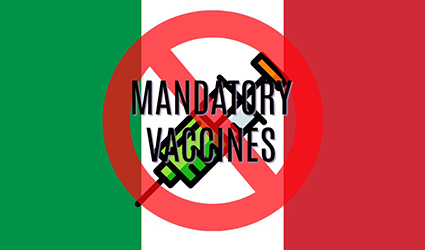
A recent ruling declared that Italian families are not obligated to get their children vaccinated against measles and other infectious diseases.
Italy’s upper chamber voted through legislation to eliminate the vaccination law.
As per reports, the amendment, approved by 148 to 110 votes, will not develop into law before the new school year begins as it has to pass the lower house after the parliamentary recess.
The existent law mandating children to take 10 vaccinations to be eligible to join state schools came into effect in March passed by the previous government after a measles outbreak making 5,000 ill and killing 4 in Italy.
Children cannot enroll in a creche or kindergarten without being vaccinated against measles and nine other diseases, under the rule, which resulted in a public debate. Parents incurred a fine up to €500 for not vaccinating their children aged between 6 to 16 years.
However, the Five Star Movement and the League, which shaped the new ruling alliance two months ago, both pledged to fragment the vaccination law in their election campaign.
Northern League leader Matteo Salvini has questioned the decree from the beginning, saying that while he had his own children vaccinated he believed that vaccines should be voluntary.
Five Star has old associations with anti-vaccination campaigners. Giulia Grillo, party’s health minister, says she backs vaccination but thinks present rules are too stifling.
Italian view on the safety of vaccinations is deeply influenced by now-disregarded allegations of a link between the combined measles, mumps and rubella vaccine and autism.
Low rates of vaccination in the nation are also subjective to popular distrust of influential politicians and professionals.
from Drugdu  https://goo.gl/QgQoHk

Rotavirus Vaccine Reduces Infant Diarrhoea Deaths by 34% in Malawi

"/

A massive new study led by scientists at the University of Liverpool, UCL, Johns Hopkins Bloomberg School of Public Health and partners in Malawi has become the foremost to offer population-level substantiation from a low-income country that rotavirus vaccination decreased diarrhea deaths in infants by 34%.
The paper published in The Lancet Global Health, adds significant influence on the World Health Organisation's proposal for the rotavirus vaccine to be incorporated in all nationalized immunization programmes.
Professor Nigel Cunliffe from the University of Liverpool's Centre for Global Vaccine Research, one of the study heads, said: "Rotavirus remains a leading cause of severe diarrhea and death among infants and young children in many countries in Africa and Asia. Our findings strongly advocate for the incorporation of rotavirus vaccine into the childhood immunization programmes of countries with high rates of diarrhea deaths, and support continued use in such countries where a vaccine has been introduced."
Researchers conducted a huge population-based birth cohort study including 48,672 infants in Malawi, which administered a monovalent rotavirus vaccine in October 2012, to evaluate the efficacy of the vaccine on infant diarrhea deaths.
"This is encouraging because children from the sub-Saharan African region account for more than half of global diarrhoea deaths, and with over 30 African countries thus far introducing rotavirus vaccine, the absolute impact on mortality is likely to be substantial," said one of the report's lead authors Dr Carina King, a senior research associate at UCL's Institute for Global Health.
"Within about a year from vaccine introduction, we were able to reach up to 90% of the population. It is vitally important that rotavirus vaccines reach all children, especially the most vulnerable living in poorer settings where the impact of vaccination is greatest," said one of the authors Dr. Charles Mwansambo, Chief of Health Services for Malawi.
from Drugdu  https://goo.gl/QgQoHk

Experimental Ebola Vaccines used During Ebola Outbreak in Congo

"/

The health ministry of the DRC announced on 10 August that four new cases of Ebola virus were reported in eastern Democratic Republic of Congo. The recent cases were confirmed from the town of Mangina in Congo’s North Kivu province, amounting to a total of 21 in cases. Two more deaths were reported from Mangina and Beni respectively and the cause was found to be hemorrhagic fever, which has killed 38 people.
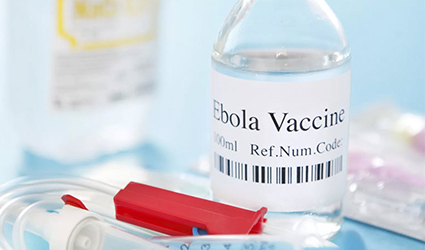
From this week onwards, the health authorities have begun vaccinating people and health workers who had contact with confirmed cases. Merck’s experimental vaccine, which has proven effective against the outbreak in Congo was administered in these cases also.
The officials are also preparing to use an experimental treatment named mAB114 on Ebola patients for the first time. This therapy was developed in the United States using the antibodies of Ebola survivors, which has proven 100 percent effective in monkey trials.
 Steve Ahuka, a virologist from the National Institute for Biomedical Research (INRB) in the capital Kinshasa, told Reuters “It’s experimental. So we are following the protocol. It has been submitted to the ethical committee and the ethical committee gave its okay.”
Even another experimental based antibody drug treatment like ZMapp, made by Mapp Biopharmaceuticals in San Diego could be used.
from Drugdu  https://goo.gl/QgQoHk

2018年8月10日星期五

Blockchain to be the Solution to China’s Vaccine Production Data Problem?

"/

The tech community advocates blockchain as the answer to China’s vaccine production data problem as the news of a new production scam rattles Chinese citizens' faith in vaccines made locally.
VeChain, in collaboration with DNV GL, is implementing blockchain in a drug and vaccine traceability system, a project backed by the Shanghai municipal government. The VeChainThor Blockchain, according to VeChain, captures “all data involved in vaccine manufacture and transport including getting vaccines from manufacturers, storage facilities, cold chain distribution, hospitals, and even usage.”
VeChain said data recorded by the solution are “immutable and permanent.” It can halt further vaccine scandals through risk forewarning and management and can assist supply evidence and indicate to the responsible organizations in case of a crisis. The system is being developed and tested in Shanghai and will soon be launched across China.
Few IoT experts perceive a prospect for blockchain adoption in the vaccine industry to prevent such cases ahead.
Blockchain is a digital ledger system. It evenly distributes the transaction data across a network of several computers, instead of using a central database.
As each entry or transaction is stored into a “block” that's connected with the previous block with cryptography, data reserved there is now tamper-resistant unless someone can take control of the bulk of computers in the system, which is nearly impossible.
Li Xiaolai, a well-known Chinese cryptocurrency investor, suggested such mutual bookkeeping records all the data in the complete vaccine supply chain, from who produces the vaccine, to who inspects for quality control, to who at which hospital or CDC purchased a vaccine at what price and when the vaccine was administered to whom.
“The transparency, traceability and falsification-proof advantages of such a system can help keep the public,” calm, Li argues.

from Drugdu  https://goo.gl/QgQoHk

New Unique Vaccine Proves Effective against Zika Virus

"/

Researchers at the Ohio State University have designed and tested a vaccine that uses a unique bilateral technique to conquer the Zika virus.
The one-dose vaccine, delivering the genes for two to three Zika proteins, demonstrated its efficacy in stimulating an immune reaction that barred future infection by Zika virus, according to the study published in the journal Nature Communications.
"In this study, the vaccine was potent, safe and highly effective, at least in the short term. There's a long way to go, but we think this is a promising candidate for a human vaccine," said Jianrong Li, an Ohio State professor of veterinary biosciences who headed the study and created the vaccine platform.
Vesicular stomatitis virus (VSV) was considered as a vehicle for the Zika proteins. The mitigated version of the virus is safe in humans and mice.
"It's a good platform for human vaccines because people don't have any antibodies against it and that allows VSV to successfully transport the vaccine without being stopped by the immune system," said study co-author Mark Peeples, a pediatrics professor at Ohio State and researcher at Nationwide Children's Hospital in Columbus.
Li's work has been centered around weakening VSV to prevent any problems related to it and later incorporating genes from other viruses to make potent vaccines, said Peeples,
"The addition of NS1 protein is an innovative approach for a vaccine - it's a protein that is made after the Zika virus infects a cell. It's what this bug uses to replicate itself once it's inside the host," said Prosper Boyaka, a study co-author and Ohio State professor of veterinary biosciences.
When mice were vaccinated and exposed to Zika virus, their weak immune systems cleared it off rapidly and powerfully, compelling the research team to believe that their design was functional.
The post New Unique Vaccine Proves Effective against Zika Virus appeared first on Drugdu.com

2018年8月8日星期三

Setup of Refrigerators in Congo for Maintaining Ebola Vaccines

"/

On July 6th, the health ministry of Congo announced that health workers in were setting up refrigerators for maintaining an Ebola vaccine under cold conditions in order to tackle an Ebola outbreak, which was believed to have affected an estimated 43 people.
Based on the latest figures regarding the epidemic, the health ministry declared within a few days after the outbreak that out of the 43 suspected cases, 16 was confirmed. As of July 6th, three new cases were confirmed and four new deaths were recorded. The total death toll has not yet been declared.
It was mentioned in the statement, “The cold chain for the vaccinations arrived in Beni on this sixth of August; Twelve teams of vaccinators will be deployed in the different affected zones.”
This experimental Ebola vaccine, manufactured by Merck, has proven successful against the outbreak in the northwest. More than 3,000 doses were maintained on stock in Kinshasa, which allows the authorities to quickly supply it to the affected areas near the Ugandan border.
The Ebola vaccine should be maintained at 80 degrees Celsius below freezing (minus 112 Fahrenheit). But it can also be stored just above freezing point for a couple of weeks.
from Drugdu  https://goo.gl/QgQoHk

2018年8月7日星期二

Vaccine Against HIV

"/

A research group from St.Petersburg Polytechnic University led by Professor Andrei Kozlov has published their study’s findings regarding HIV vaccine creation.
With the support of a grant from the Russian Science Foundation, they studied the features of transmitted variants of the HIV-1 virus for around two years. This kind of HIV transmission is the most typical in the Russian Federation.
In this study, scientists analyzed the blood samples of drug users, who were injected with acute or early stages of HIV infection. The transmission of one variant was detected in around 70% of people. This data was obtained via the single genome analysis (SGA) method, which analyses around 20-30 single genomes. Additionally, the scientists used next-generation sequencing approach (NGS), for analyzing up to 5000 genomes. Using this method, scientists reported that all viruses were the "descendants" of one virus particle. This occurrence is termed as the genetic bottleneck effect. These findings were published in the journal AIDS Research and Human Retroviruses.
Professor Kozlovsaid, "Though this work is fundamental, we are working with the genes of the viruses, which can be used in design of vaccine against HIV. So to speak, it is necessary to create the vaccine not against all possible viruses, but against those which are transmitted and cause the infection. We will use these data in the further work on HIV vaccine development."
The post Vaccine Against HIV appeared first on Drugdu.com
from Drugdu  https://goo.gl/QgQoHk

6 Important Vaccinations

"/

When babies are born, it is imperative that they be properly vaccinated. By the time children go to school, they should have received the following listed vaccinations:
1. all three hepatitis B vaccinations
2. diphtheria, tetanus, and pertussis (DTaP) vaccinations
3. haemophilus influenzae type b vaccine (Hib)
4. pneumococcal conjugate vaccinations (PCV)
5. inactivated poliovirus vaccinations (IPV)
6. measles, mumps, and rubella (MMR) vaccinations

We have listed some other important vaccines which should be considered for children below:

1. Varicella (chickenpox) vaccine
The Centers for Disease Control and Prevention (CDC) recommends two doses, where the first vaccination should be given between 12 and 15 months, and the second between 4 and 6 years of age.

2. Rotavirus vaccine (RV)
Have two oral rotavirus vaccines in either two or three doses, preferably at 2, 4, and 6 months (if needed). The first dose must be given before the child is 15 weeks of age and the last must be given by 8 months of age.

3. Hepatitis A vaccine
The CDC recommends a hepatitis A vaccination between the age group 1-2 years, which should be given in two shots, six to 18 months apart.

4. Meningococcal vaccine (MCV)
Children aged 11–12 years through 16 years should be given two doses of the meningococcal vaccine.

5. Human papillomavirus vaccine (HPV)
The HPV vaccine is recommended for girls and boys at ages 11 and 12 years. It is also recommended for girls and women ages 13 through 26 years, and boys and men ages 13 through 21 years.

6. Tdap booster
The single-dose Boostrix was approved for use in children aged 10 years. 

The vaccines listed above are strictly recommended since they have saved countless people from severe illness and possibly even death in a timely manner.
The post 6 Important Vaccinations appeared first on Drugdu.com
from Drugdu  https://goo.gl/QgQoHk

WHO Rings Alarm Bells for No Vaccine Option for Current Ebola Outbreak

"/

WHO officials have not yet pinpointed the strain of Ebola that is responsible for the death of 20 people and has infected four more, including two health workers. They are uncertain whether it could be the Zaire, Sudan or Bundibugyo strain.
Therefore, the World Health Organization commented that it might be impractical to use a vaccine to get the Democratic Republic of Congo's new Ebola outbreak under control.
Since May, the strain has traveled more than tens of kilometers.
A senior World Health Organization official said on Thursday, “It may be impossible to use a vaccine to tackle Democratic Republic of Congo's new Ebola outbreak, which has spread over tens of kilometers and may have begun in May.”
WHO's emergency response chief Peter Salama said, “If it is the Zaire strain, the Merck vaccine used in the last outbreak may be an option, otherwise the situation will be much more complex.” and “we may not have any vaccine options," he told Reuters at WHO's headquarters in Geneva.

from Drugdu  https://goo.gl/QgQoHk